 (888) 509-2280

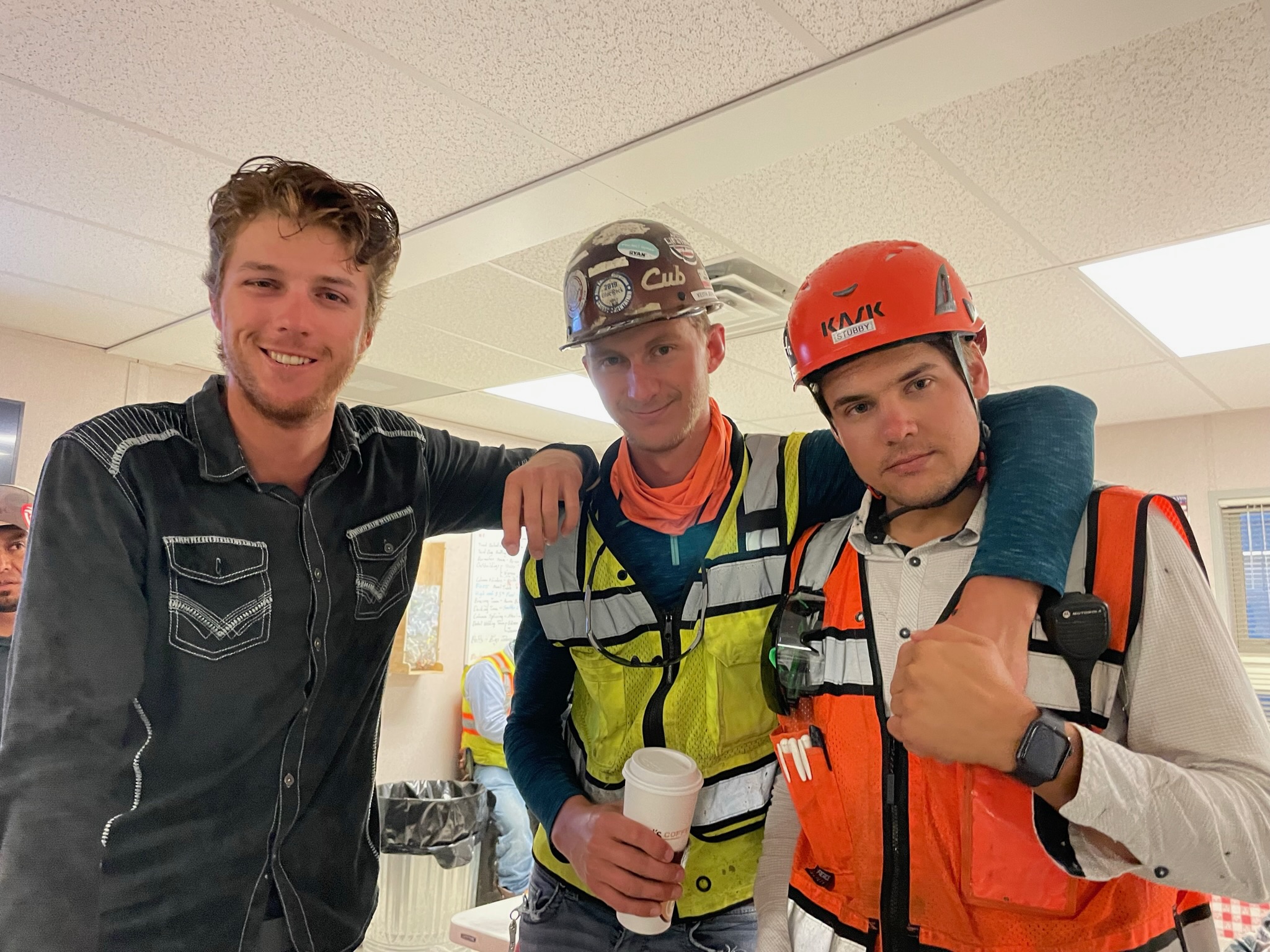
Sustaining Business Culture During Rapid Growth
By BZI CEO James Barlow for Forbes Business Council Growth is exhilarating, but it can also be dangerous. Over the past three years, my organization has grown from roughly 300 empl...
READ MORE
By BZI CEO James Barlow for Forbes Business Council
Growth is exhilarating, but it can also be dangerous.
Over the past three years, my organization has grown from roughly 300 employees to more than 1,000, putting us just shy of quadrupling the size of our business in a short period of time. We have expanded our geographic footprint and deepened partnerships with clients across manufacturing, aerospace and industrial construction.
That level of growth is what many companies aspire to. But it also introduces a real risk that is often underestimated: the dilution of culture. When organizations scale this quickly, more than an erosion, your culture can break. And when culture breaks, client experience follows.
I never imagined that cultural dilution could so quickly undermine client trust and engagement, but hyper-scaling has a way of exposing weaknesses faster than any strategic review ever could.
This is where you can pivot to a different phrase in order to help reorient and keep culture intact as you grow: mega scaling. While I see hyper-scaling as about speed, mega-scaling focuses on sustaining excellence while accelerating. The difference is intentionality rooted in a simple but uncompromising belief: Culture drives client experience, and client experience drives profitability. Everything else is a supporting mechanism.
Culture cannot be a poster on the wall or a slide in a leadership deck. Culture is a system that must be reinforced daily, measured consistently and modeled visibly by leadership.
Leaders must extend trust before they can expect it in return. Empowered teams do not wait to be told what to do. They take ownership. They solve problems. They feel accountable not because they are monitored but because they are trusted.
That trust can be reinforced through respect, integrity, teamwork, innovation and action. These should become your operational expectations: Leaders engage in mentorship, wins are recognized publicly and shared experiences outside of work help strengthen personal connections.
Avoid leaving this to chance or personality; it should be standardized and reinforced, even down to daily kickoffs. When your company grows, culture must scale intentionally or it disappears.
Culture matters only if it shows up for clients. As your company grows, look to shift from competing to being hired earlier as a collaborator and consultant. That move will fundamentally change your margins and relationships. When clients say, “We must have you on this project,” you are no longer competing on price alone. You are competing on trust, insight and execution.
The client experience strategy should focus on a holistic, premium approach. That includes strong preconstruction engagement, visualization of complex processes and deep relationships between teams and client leadership. It also means increasing frontline engagement so the people doing the work understand not just what is expected but also why it matters.
Clients feel the difference immediately. They feel it in clarity. They feel it in safety. They feel it in confidence.
At scale, alignment does not happen organically. To help, objectives and key results (OKRs) are a simple but disciplined framework that can help translate strategy into clear priorities, measurable outcomes and shared accountability.
When used well, I find that OKRs create transparency on what matters most and how success will be measured, allowing teams to move quickly without losing cohesion. Each team owns its OKRs, not as a compliance exercise but as a practical tool for focus and decision-making. They connect individual execution to enterprise priorities across culture, ensuring daily work ladders up to long-term goals.
By forcing tradeoffs and making priorities explicit, OKRs can help you reduce noise, prevent overextension and identify misalignment before it turns into burnout.
The ultimate measure of success is not just the bottom line—though the bottom line, of course, matters. It is whether your team feels driven and motivated. It is whether clients recognize consistency, clarity and confidence in how work is delivered. At scale, organizations succeed by aligning people, priorities and purpose in a way that sustains performance over time.
I see many organizations try to drive profitability first and assume culture and client experience will catch up later. In practice, the opposite is true. When leaders invest deliberately in culture and client experience, profitability becomes the outcome rather than the objective. Execution improves, waste decreases and teams work with greater clarity and accountability. Margins grow not because corners are cut but because work is done better.
From my experience, I recommend three leadership principles for CEOs focused on building sustainable scale:
1. Treat culture as an operating system rather than a value statement. What leaders reinforce daily shapes client experience more than strategy documents or growth targets.
2. Use OKRs to create clarity, not pressure. In my experience, when priorities and tradeoffs are clear, alignment replaces burnout. Then speed can happen, but not at the expense of quality.
3. Measure success beyond revenue. Pay attention to whether employees feel ownership and whether clients choose partnership over price, as both signal whether growth is truly sustainable.
Growth will always test an organization’s systems, leadership and values. The challenge is not avoiding scale but meeting it with discipline and intention.
When culture is protected, the client experience is elevated, and alignment is reinforced through clear priorities. Organizations give themselves the best chance to grow without losing what made them successful in the first place. In the end, sustainable performance is not about doing more or moving faster but about building the clarity and trust required to endure.
By BZI CEO James Barlow for Forbes Business Council Growth is exhilarating, but it can also be dangerous. Over the past three years, my organization has grown from roughly 300 empl...
READ MORE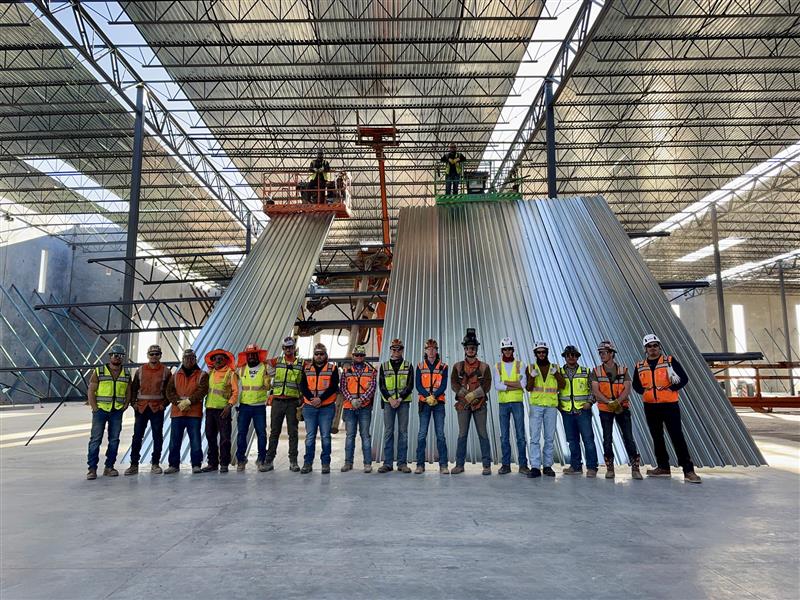
222,617 SF | 590.9 Tons Albuquerque, NM 5/14/2025-3/25/2025 BZI recently completed Project Sunshine, a ground-up, 222,000-square-foot build in Albuquerque, New Mexico, delivering a...
READ MORE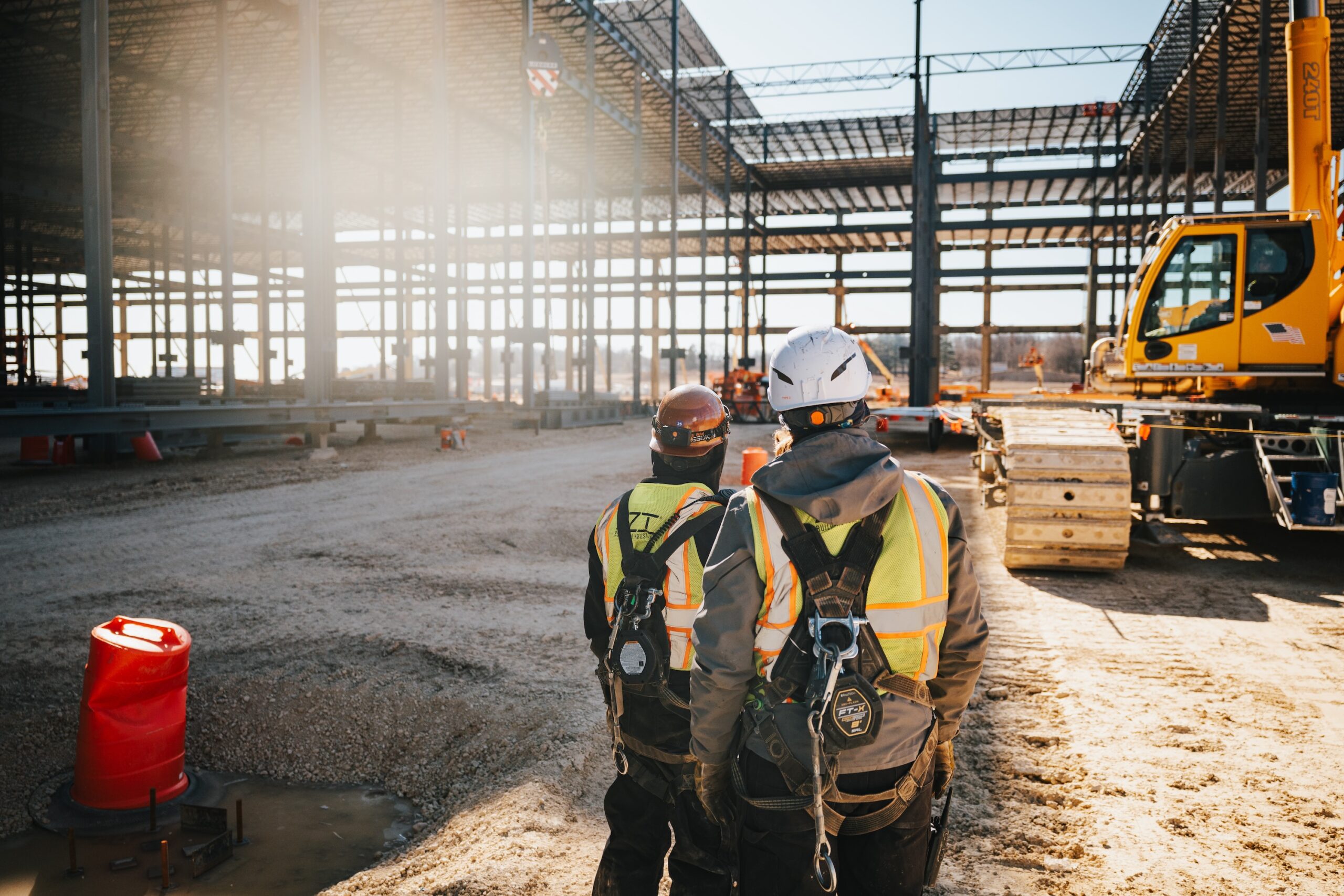
By Vaughn Montgomery, Chief Pilot Over the past four and a half years, I have had the privilege of traveling with different departments in the BZI family, from collaborating with e...
READ MORE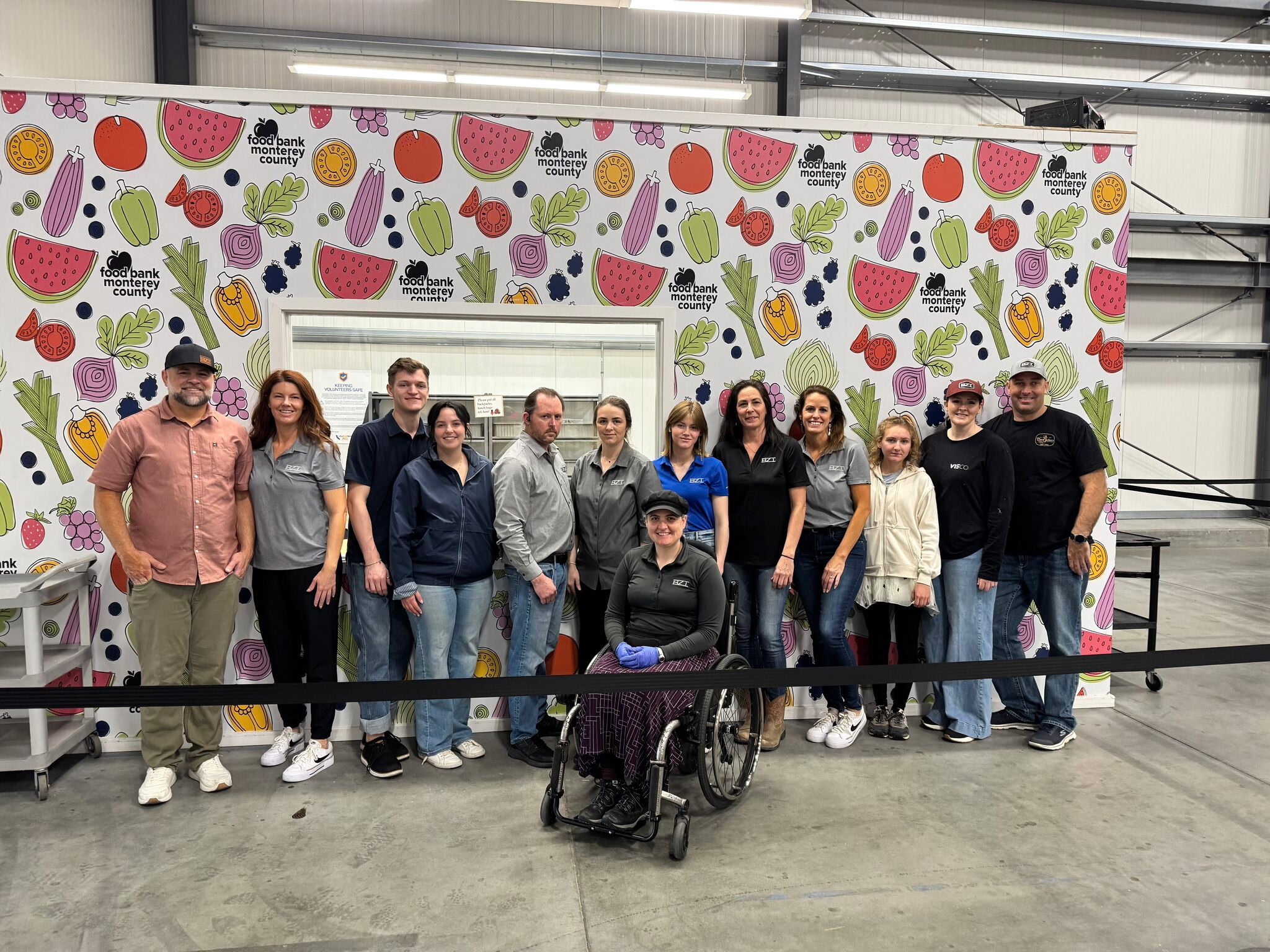
We believe thriving communities are built on connection, one event, one act of service at a time. This past quarter, we’ve been out in force, supporting local programs, celebrat...
READ MORE